


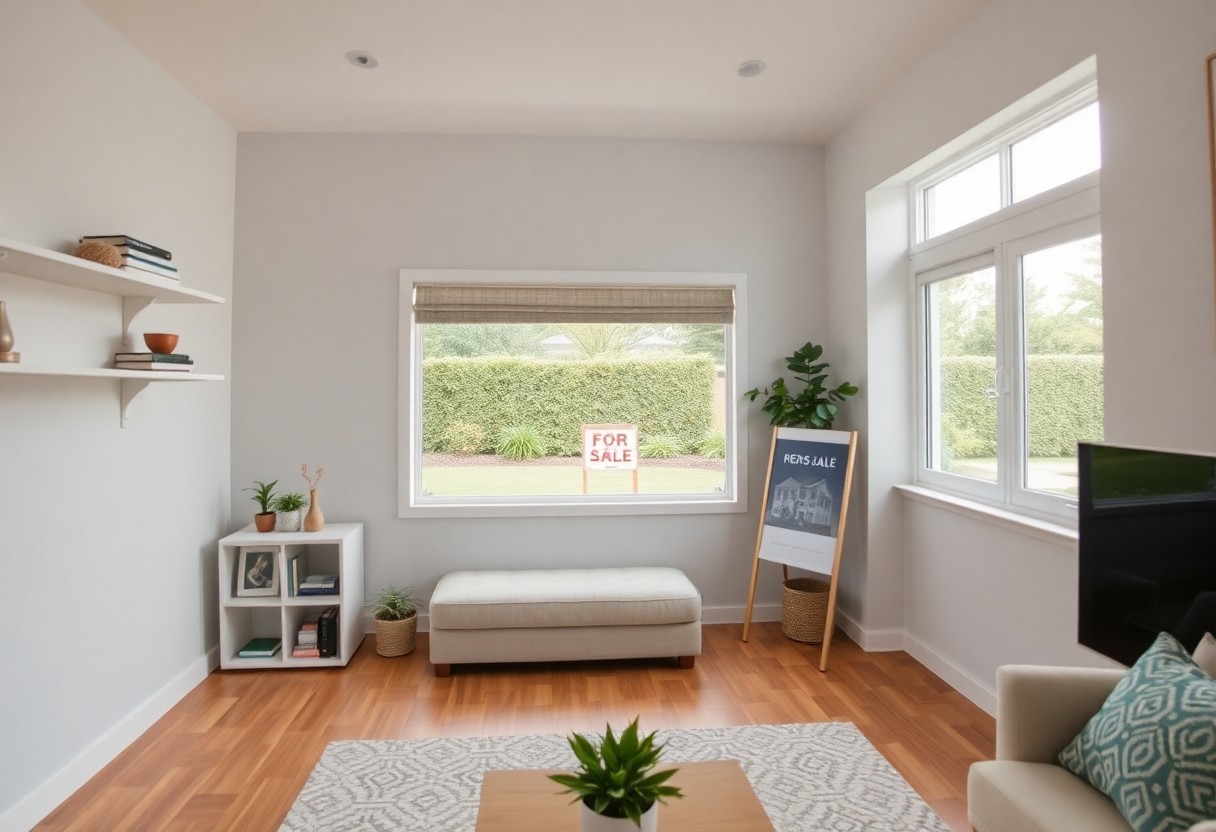
09 Aug A Step-by-Step Plan For Getting Your Home Market-Ready
It’s exciting to think about selling your home, and with the right approach, you can make it truly shine for potential buyers. This step-by-step plan will guide you through the vital actions to take, from enhancing your curb appeal to tackling minor repairs. By the end of this journey, you’ll be equipped with valuable tips that can significantly impact the selling experience and potentially lead to a higher sale price. Let’s dive in and get your home ready for the market!
Key Takeaways:
- Conduct a thorough assessment of your home, identifying necessary repairs and improvements to enhance its appeal.
- Stage your home effectively by decluttering and depersonalizing spaces to create an inviting atmosphere for potential buyers.
- Set the right price based on market research and comparable properties to attract interest and facilitate a timely sale.
Decluttering: The Art of Letting Go
Embracing decluttering transforms your space and mindset, making your home inviting to potential buyers. Begin with a fresh outlook, recognizing that each item carries a memory or functionality. By letting go of the unnecessary, you open your home to possibilities and create an atmosphere of warmth and space desired by buyers.
Identifying What Stays and What Goes
Start your decluttering journey by assessing your belongings and distinguishing importants from non-importants. Create categories: items you love, use regularly, or hold sentimental value should stay, while duplicates, outdated decor, or items you haven’t used in a year can go. This systematic approach clarifies your decisions, easing the emotional challenge of letting go.
Effective Strategies for a Successful Purge
To declutter effectively, tackle one room at a time, setting aside dedicated time slots for each space. Use the “Four-Box Method”: designate boxes for items to keep, donate, sell, or toss. This structure keeps you organized and focused. Seek support from a friend or family member; another perspective can help you see which items truly hold value or can be part of your next chapter.
Implementing the Four-Box Method not only streamlines your decluttering but also makes the process less overwhelming. Begin with the room that feels most cluttered or is most important for your sale. As you fill each box, visualize your home as a blank canvas where potential buyers can imagine their own lives. If you hesitate over certain items, use the 12-month rule: if you haven’t used it in the last year and it isn’t sentimental, let it go. This approach not only helps clear space but also enables you to view your belongings and home with fresh eyes, creating an inviting environment for prospective buyers.
Curb Appeal: First Impressions Matter
Curb appeal sets the tone for what buyers can expect inside your home. A well-maintained exterior draws attention and creates a welcoming atmosphere, making it more likely that potential buyers will want to step through your front door. Simple updates, such as a fresh coat of paint, clean gutters, or a polished front door, can transform the look of your home, indicating that it has been well cared for over the years.
Enhancing Exterior Aesthetics
Focus on giving your home a polished look by paying attention to details. Cleaning windows, fixing any broken shutters, and adding a contemporary house number can elevate your home’s exterior. Replacing outdated light fixtures and ensuring your mailbox is in good condition can also reinforce a positive first impression. Little changes can have a big impact on overall appeal without breaking the bank.
Landscaping Tips to Attract Buyers
Thoughtful landscaping can significantly add to your home’s allure. Start by trimming overgrown shrubs, mowing the lawn regularly, and adding colorful flowers to brighten up the entrance. Use mulch in flower beds to create a clean look and consider planting simple, low-maintenance plants that have broad appeal. Buyers are often drawn to homes that look lush and inviting, so investing in landscaping is well worth the effort. After all, you want to create that ‘wow’ factor that makes people envision their future in your space.
- Trimmed shrubs give a neat appearance.
- Bright flowers enhance visual appeal.
- A well-manicured lawn suggests pride in ownership.
Landscaping should not be underestimated as it can play a pivotal role in attracting buyers. Consider adding decorative elements like planters, pathway lights, or even a charming bench to create inviting spots for potential homeowners to envision relaxing outside. A balanced mix of aesthetic and functional features will draw buyers in and make them feel that your home is both special and livable. After all, your garden can serve as a lovely introduction to your property’s interior charm.
- Decorative planters add eye-catching elements.
- Pathway lights create an inviting ambiance.
- A relaxing bench offers a sense of tranquility.
Smart Upgrades: Which Improvements Add Value?
Enhancing your home can significantly boost its market appeal and overall value. Focus on upgrades that offer the best return on investment, such as modernizing kitchens and bathrooms, adding energy-efficient windows, or improving curb appeal with fresh landscaping. Small adjustments, like fresh paint or updated fixtures, also make a big impact without draining your budget.
High-Impact Renovations Worth the Investment
Kitchen and bathroom remodels consistently rank at the top of high-impact renovations. A minor kitchen update—like replacing countertops or refacing cabinets—can return up to 80% of your investment. In the bathroom, features like new tiles or eco-friendly fixtures not only create a fresh look but can also attract environmentally conscious buyers.
Affordable Fixes that Make a Difference
Simple improvements can elevate your home’s aesthetic and marketability without large expenditures. Consider repainting scuffed walls, replacing outdated hardware, or installing new light fixtures. These affordable fixes can transform your home’s ambiance and ensure it resonates with potential buyers by creating a modern, welcoming atmosphere.
Invest in small but impactful changes to breathe new life into your home. Prioritize tasks like deep cleaning, organizing spaces, and adding bright, neutral paint to walls—this can create a fresh and inviting atmosphere. Installing energy-efficient light bulbs can also enhance both the ambiance and functionality of your space while showing prospective buyers that your home is move-in ready, helping you stand out in a competitive market.
Professional Staging: Creating a Welcoming Atmosphere
Enhancing your home’s appeal through professional staging can make a significant impact on how potential buyers perceive the space. Well-staged homes not only look visually appealing but also evoke a sense of warmth and comfort. This strategic approach helps highlight your property’s strengths, while minimizing its weaknesses, creating an inviting atmosphere that potential buyers can envision making their own.
Why Staging Works: The Psychology of Space
Staging utilizes the psychology of space to influence buyers’ perceptions. When you present a home that feels spacious, organized, and inviting, potential buyers are more likely to envision themselves living there. This emotional connection can enhance their interest and willingness to make an offer, as they imagine their lifestyle unfolding in the space.
Tips from the Pros: How to Stage Your Home
Experts recommend several vital strategies for effective home staging. Focus on creating a neutral palette with your décor to help buyers visualize their personal style. Use strategic lighting to accentuate key features, and arrange furniture to maximize flow and space, allowing potential buyers to move around comfortably.
- Employ a neutral color palette to appeal to a broader audience.
- Use lighting to create warmth and highlight features.
- Arrange furniture to enhance spatial perception and flow.
- Incorporate accessories that add charm without overwhelming.
After you implement these tips, you’ll create an inviting atmosphere that can entice buyers.
To achieve successful staging, consider hiring professionals who understand the dynamics of your local market. They can provide insights on trending designs and effective layout strategies tailored to attract potential buyers. A well-staged home can often sell for more than the asking price, reflecting the value of a well-thought-out presentation.
- Choose experienced stagers familiar with your market.
- Follow current design trends to appeal to buyers.
- Utilize outdoor spaces to enhance overall appeal.
After investing time and effort into staging, you’ll set the stage for a successful sale.
Pricing Strategies: The Critical Balance
Striking the right pricing balance ensures your home attracts buyers while maximizing your profit. Setting a price that is too low may lead to losing potential earnings, while pricing it too high could deter interested parties. Consider both market trends and home features when determining your approach. Finding that sweet spot increases your chances of a successful sale.
Researching Your Market and Setting a Competitive Price
Analyzing your local market is crucial for setting a competitive price. Start by examining comparable homes in your neighborhood that have recently sold; known as “comps,” these properties provide insight into what buyers are willing to pay. Look not only at the sale prices but also the time they spent on the market. Adjust your pricing strategy based on factors like location, condition, and unique features of your home.
The Role of Professional Appraisals in Pricing
Professional appraisals play a vital role in determining your home’s value. An appraiser evaluates various elements of your property, including its condition, comparable sales, and local market trends. Their expertise provides a reliable figure, empowering you to price your home realistically without undercutting your potential profit.
Utilizing professional appraisals removes much of the guesswork involved in pricing your home. For instance, an appraiser may report that similar homes in your area have sold for around $300,000. If your home has recently undergone significant renovations, an appraiser can confidently factor this into their assessment, potentially increasing your home’s value. By relying on a professional’s judgment, you ensure that your asking price resonates with buyers while still capturing the unique aspects of your property that might command higher offers.
Summing up
On the whole, getting your home market-ready is an exciting journey that can pay off with the right approach. By taking the time to declutter, make necessary repairs, and enhance your home’s appeal, you can create a welcoming environment for potential buyers. Don’t hesitate to seek professional help for staging or marketing your property effectively. With your dedication and the step-by-step plan you’ve followed, you’ll be well on your way to making a successful sale. Happy selling!
FAQ
Q: What are the first steps to take when preparing my home for the market?
A: The first steps in preparing your home for the market include decluttering, deep cleaning, and making necessary repairs. Begin by removing personal items and excess belongings to create a spacious environment. Next, give your home a thorough cleaning, focusing on kitchens and bathrooms where cleanliness is most noticeable. Finally, address any repairs that may detract from your home’s value, such as fixing leaky faucets, patching drywall, or replacing broken tiles.
Q: How can I enhance my home’s curb appeal before listing it?
A: Enhancing curb appeal is vital and can be achieved through simple landscaping and exterior updates. Start by trimming bushes, mowing the lawn, and planting colorful flowers that will draw attention. Consider repainting the front door and ensuring that all exterior lighting fixtures work properly. Additionally, pressure washing the driveway and walkways can create a clean and inviting entrance that makes a favorable first impression on potential buyers.
Q: What should I consider when setting the right price for my home?
A: Setting the right price involves researching recent sales in your neighborhood, evaluating comparable properties, and considering market trends. First, gather information on similar homes that have recently sold, paying attention to factors like size, condition, and amenities. It’s also beneficial to consult with a local real estate agent, who can provide insights on your home’s value based on current market conditions. Additionally, be open to price adjustments based on feedback received during the showing process. Accurate pricing can significantly impact how quickly your home sells.
No Comments