


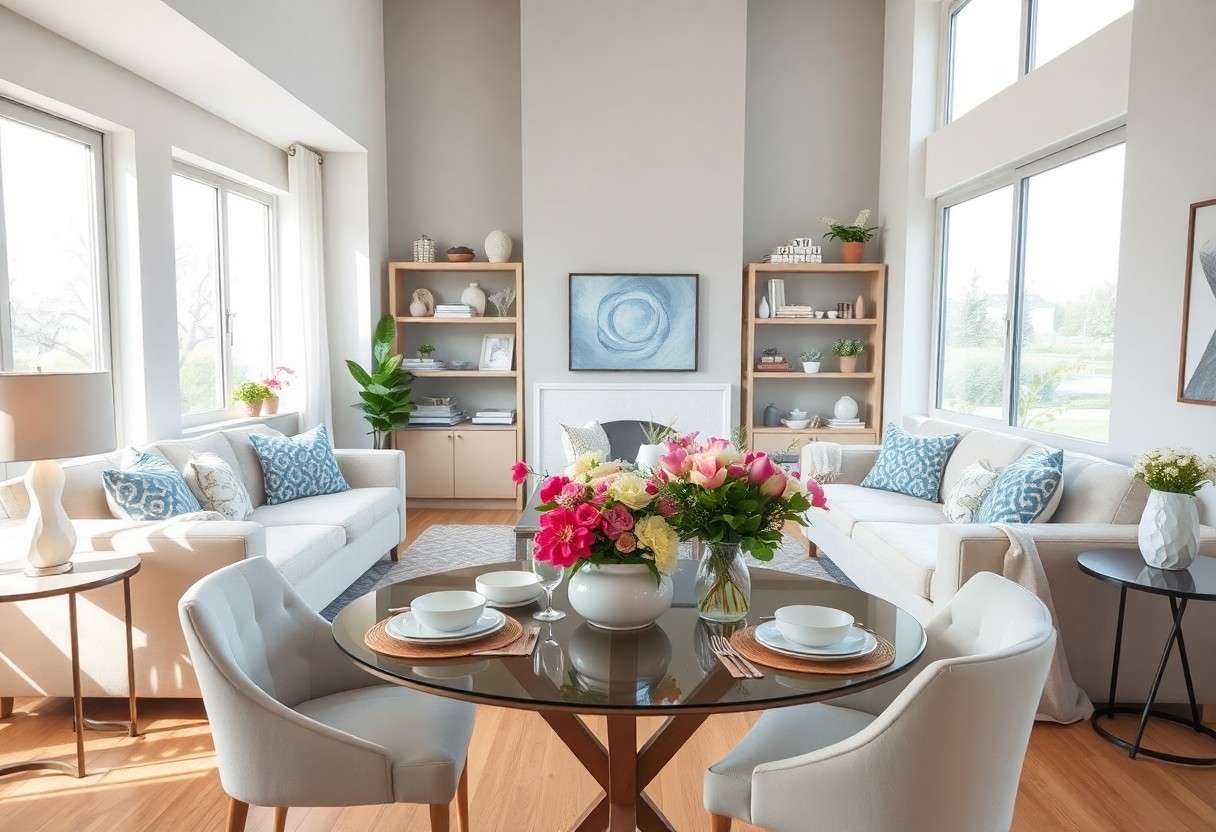
12 Aug Staging Secrets – Transforming Your Home To Attract Buyers Fast
It’s imperative to understand that first impressions matter when selling your home. Staging secrets can significantly enhance its appeal, helping you attract buyers quickly and potentially secure a higher sale price. By focusing on key aspects such as decluttering, strategic furniture placement, and creating an inviting atmosphere, you can turn your space into a buyer’s dream. In this blog post, you’ll discover effective tactics that will not only transform your home but also allow you to navigate the real estate market with confidence.
Key Takeaways:
- Declutter and depersonalize spaces to create an inviting environment that allows potential buyers to envision themselves living in the home.
- Enhance curb appeal by maintaining landscaping, painting front doors, and ensuring the exterior is well-kept, as first impressions are imperative in attracting buyers.
- Use strategic lighting and neutral color palettes to highlight key features and create a warm, welcoming atmosphere that appeals to a broader audience.
The Psychology of First Impressions: Crafting an Inviting Atmosphere
Your home’s first impression can set the tone for potential buyers, making it vital to create an atmosphere that feels immediately welcoming. The moment someone steps through your front door, they should feel a sense of comfort and belonging. Elements like soft lighting, pleasant scents, and thoughtful décor all work together to evoke positive emotions. Tailoring these aspects to resonate with buyers allows them to see your home as their future sanctuary, making it more likely for them to envision living there.
The Power of Curb Appeal
Curb appeal plays a significant role in your home’s marketability. A well-maintained lawn, fresh paint, and inviting landscaping might only take a few hours but can significantly impact buyer interest. Statistics show that homes with strong curb appeal can sell for up to 14% more than similar homes without it. Use vibrant flowers, manicured hedges, and a clean driveway to create a stunning first peek at your property.
Creating a Welcoming Entryway
Your entryway is the gateway to your home, setting the stage for what lies beyond. Brighten the space with natural light, paint the door a cheerful color, and hang a tasteful wreath to cultivate an inviting atmosphere. Simple touches like a clean welcome mat or decorative elements can impress buyers as they enter, immediately igniting that warm, welcoming feeling. More than just an aesthetic, a well-decorated entryway signifies that your home has been cared for, giving buyers confidence in their potential investment.
Enhancing the entryway should involve both aesthetic appeal and functional design. Use a statement light fixture to draw the eye upwards and create a sense of space, while neutral walls can keep the area feeling open. A console table adorned with fresh flowers or a bowl for keys not only adds functionality but encourages a sense of homeliness. Pay attention to the flooring as well; a polished or well-maintained path leads right into the core of your home, promoting warmth and a welcoming vibe. This small area is more than just an entrance; it’s the opportunity to make buyers feel they belong from the moment they step inside.
Decluttering: The Art of Minimalism in Home Staging
A minimalist approach in home staging can significantly enhance your property’s appeal. By removing excess belongings, you create an atmosphere that feels more spacious and inviting. Buyers are often looking for a canvas on which to project their ideas, and a decluttered home allows them to envision their lives there. Consider this: homes that are staged with less clutter not only sell faster but can also command higher prices. Your goal is to showcase the best features of your home without distractions, making decluttering a pivotal first step in the staging process.
Strategies for Effective Decluttering
Effective decluttering starts with a plan. Begin by tackling one room at a time and creating designated piles: keep, donate, and discard. Aim to remove at least 30% of your belongings from each space. This doesn’t just include large items; even clearing out drawers and closets can make a significant difference. Be ruthless; ask yourself if each item serves a purpose or brings you joy. Additionally, organizing a garage sale could take care of items you no longer want while bringing in some extra cash.
Organizing for Spatial Clarity
Spatial clarity is achieved by arranging your remaining belongings in a way that highlights your home’s layout and features. Use furniture to create defined zones, ensuring each area serves a specific function without overcrowding. For instance, an open-concept living space can benefit from strategically placed rugs to delineate spaces for lounging versus dining. Ensure walkways remain clear, allowing potential buyers to navigate the space effortlessly. Utilize shelving and bins to keep items within reach yet out of sight, maintaining a clean and organized appearance that accentuates your home’s size and flow.
Consider incorporating mirrors to enhance the perception of space and light in rooms. They reflect both natural and artificial light, creating an illusion of openness. When organizing, group items by category and size, using similar styles for containers to create a cohesive look. Labeling boxes can also streamline the packing process when you move, reinforcing that clear, structured feel in your home. As you tidy up, aim for visual balance by staggering sizes and colors to prevent any area from feeling chaotic or cluttered. The end goal is clarity and tranquility that entices buyers to pause and imagine their future in your home.
Transforming Spaces: The Impact of Furniture Placement
Strategic furniture placement can dramatically reshape how potential buyers perceive your home. Carefully arranging items creates an inviting atmosphere while enhancing the sense of space. By directing attention to key areas and ensuring ease of movement, you encourage viewers to envision their own lives within those spaces, fostering emotional connections that can lead to quick offers.
Optimizing Flow and Functionality
Creating a seamless flow is vital to showcase your home’s functionality. Positioning furniture to facilitate natural pathways enhances navigation and ensures that each room feels spacious. Use area rugs to define zones, and avoid overcrowding spaces, which can make your home feel chaotic. Aim for a balance that combines style with practicality, allowing buyers to picture themselves lounging comfortably or entertaining guests effortlessly.
Highlighting Key Features
When you highlight the unique aspects of your home, you draw buyers’ attention to what sets it apart. Focus on the elements that make your property special and ensure they are prominently displayed. For example, arrange furniture to emphasize large windows or architectural details. Each feature helps create a memorable impression, increasing the likelihood of a speedy sale.
- Large windows that offer stunning views
- Fireplaces that create cozy gathering spots
- Built-in shelving that adds character
- High ceilings that enhance an airy feel
- Outdoor access that invites natural light
Perceiving these key features enables buyers to connect with your home on a deeper level. They can imagine themselves enjoying sunny mornings by the window or hosting friends around a crackling fire. By accentuating these elements with thoughtful furniture arrangement, you make your home not just a house, but a desirable lifestyle choice.
Color and Lighting: Setting the Mood for Prospective Buyers
Creating the right atmosphere through color schemes and lighting choices can be the tipping point in attracting potential buyers. Thoughtful selection of hues and illumination techniques can evoke emotions and enhance the perceived value of your home, making it not just a space, but a desirable living experience. The goal is to create an inviting ambiance that resonates with a wide array of buyers by choosing elements that complement and elevate your home’s natural beauty.
The Role of Color Psychology
Color psychology plays a significant role in shaping buyers’ perceptions. For instance, shades of blue and green can invoke a sense of calmness, while earthy tones like beige or soft greys create warmth and comfort. Choosing a palette that enhances natural light and reflects an open, spacious feel allows you to highlight your home’s best features. Sticking to neutral colors in main areas encourages potential buyers to envision their own style, making your home more universally appealing.
Effective Lighting Techniques
Utilizing effective lighting techniques can accentuate spaces and increase buyer interest. Combine ambient, task, and accent lighting to create well-lit environments that highlight architectural features. Think about strategically placing floor and table lamps in darker corners, using mirrors to reflect light, and letting natural light in by pulling back curtains. Consider warm light bulbs, which produce a cozy glow, making spaces feel inviting and lived-in, and showcase your home’s best assets successfully.
For instance, during a showing or open house, turn on all the lights and open window treatments to maximize brightness. Layered lighting, incorporating dimmers, can adjust the ambiance according to the time of day and type of space. Use soft, warm lighting in living areas and bedrooms to provoke a sense of comfort and intimacy, while brighter, cooler lighting can be effective in kitchens and bathrooms to create a feeling of freshness. Such tailored lighting can transform your home, making it not just visually appealing but also emotionally resonant, prompting buyers to envision themselves living there.
De-Personalizing: Neutralizing Your Space for Broad Appeal
Potential buyers must envision themselves living in your space, which makes de-personalizing crucial to attract a wider audience. A neutral environment allows prospective buyers to see the possibilities in your home, rather than focusing on the existing personal touches that might not resonate with them. By transforming your space into a canvas that appeals to many, you can increase the chances of a quick sale.
Removing Personal Touches
Start by packing away family photos, beloved knick-knacks, and any unique art pieces that may speak to your personal tastes. Buyers need to be able to imagine their own lives within your walls, and an abundance of your personal items can create a barrier. Aim to create a clean slate by removing distractions that could hinder their emotional connection to the home.
Enhancing Universality Without Sterility
Neutral palettes, simple decor, and minimalistic furnishings create an inviting atmosphere without feeling cold or impersonal. Strive for a balanced aesthetic by incorporating subtle colors, textures, and comfortable furniture pieces that appeal to broad tastes. A well-placed accent can lend warmth, ensuring the space feels both welcoming and universally appealing, rather than sterile and uninviting.
Enhancing universality in your home doesn’t mean sacrificing character. Instead, select a few carefully chosen decor items or soft furnishings that resonate with a wide variety of styles. Consider using muted colors or soft textures that provide warmth and comfort while still allowing your home to feel generic enough for a variety of potential buyers. A light gray or beige sofa, paired with colorful throw pillows, allows for versatility without coming off as overly bland. Creating an environment where buyers can easily envision their own taste and belongings will set the stage for a successful sale.
Final Words
Conclusively, staging your home is a powerful strategy that can significantly enhance its appeal to potential buyers. By focusing on tidiness, strategic furniture placement, and inviting decor, you create an environment that allows buyers to envision their future in your space. Prioritizing these staging secrets will not only highlight your home’s strengths but also help you stand out in a competitive market. Ultimately, implementing these tactics can lead to faster sales and potentially higher offers, making your effort well worth it.
FAQ
Q: What are the key benefits of staging my home before selling?
A: Staging your home offers several advantages when it comes to attracting potential buyers. First, it helps create a welcoming and inviting atmosphere that allows buyers to envision themselves living in the space. Additionally, staging can also highlight your home’s best features, drawing attention to areas that might otherwise go unnoticed. Moreover, staged homes often sell faster and at higher prices compared to those that are not staged, as they typically look more appealing in photographs and during in-person viewings.
Q: How can I effectively stage my home on a budget?
A: Staging your home doesn’t have to break the bank. Start by decluttering and depersonalizing your space, which can be done with items you already own. Rearrange furniture to create a more open and spacious feel, and consider renting furniture or decor items that enhance your home’s aesthetic. Simple updates like a fresh coat of paint, new light fixtures, or even just adding some plants or flowers can also make a significant impact without a high cost. Lastly, professional cleaning can elevate the overall presentation of your home on a budget.
Q: How long does the staging process typically take?
A: The duration of the staging process can vary depending on the size of your home and the extent of the changes needed. Generally, most staging projects can be completed within a few days to a week. This includes time for decluttering, rearranging furniture, and making any necessary updates. If professional staging services are involved, the timeline may also depend on their availability and schedule. It is advisable to plan ahead, especially if you have a specific timeline for listing your home, to ensure everything is ready for potential buyers.
No Comments