


08 Aug From Clutter To Curb Appeal – How To Prepare Your House For A Successful Sale
Many homeowners feel overwhelmed when it’s time to sell, but with a little effort, you can transform your property into a buyer’s dream! By effectively decluttering and enhancing your home’s exterior, you can significantly improve its curb appeal and attract potential buyers. This guide will walk you through simple yet effective steps to prepare your house for a successful sale, making your selling experience as smooth and profitable as possible. Let’s dive in and turn your clutter into charm!
Key Takeaways:
- Decluttering is important; remove personal items and excessive decor to help potential buyers envision themselves in the space.
- Enhancing curb appeal through landscaping, fresh paint, and clean entryways can make a strong first impression and attract more interest.
- Address any necessary repairs and maintenance to ensure that your home is in optimal condition, signaling to buyers that it has been well cared for.
Decluttering: The Art of Letting Go
Transforming your space begins with decluttering, which is more than just tidying up; it’s about creating an environment that appeals to potential buyers. By letting go of items that no longer serve you, you create a clean slate that allows your home’s true potential to shine through. This process not only maximizes space but also enhances the overall presentation of your home, enhancing its marketability.
Identifying Items That Don’t Spark Joy
Begin by assessing each item in your home. If it doesn’t evoke happiness or serve a functional purpose, it likely belongs in the discard pile. This approach helps you make decisions with confidence, ensuring that only items that add value to your space remain. Focus on the principle of quality over quantity to create a more inviting atmosphere.
Strategic Organization for Impact
Organizing your belongings is just as important as decluttering. Consider how you can arrange items in a way that showcases your home’s best features. Use baskets and labeled boxes to keep similar items together, and avoid overcrowded surfaces. Implementing simple yet impactful solutions, like color-coordinated decorations or clean lines in shelving, can make your space feel larger and more appealing to buyers.
Strategic organization involves creating a balance between functionality and aesthetics, where every item has its place. For instance, in the kitchen, neatly arranged pots and pans might highlight counter space, while organized pantry shelves showcase storage options. An organized entryway with hooks for jackets and a designated shoe area can also create a welcoming first impression. Essentials should be easy to access, while decorative pieces can be thoughtfully arranged to make rooms feel cohesive and inviting, resonating well with potential buyers.
Enhancing Your Home’s Visual Appeal
Your home’s visual appeal plays a key role in attracting potential buyers. Think about how to create inviting spaces with neutral color palettes, natural light, and inviting textures. Adding small touches, like fresh flowers or strategically placed decor, can elevate the overall ambiance. A well-considered aesthetic not only captivates buyers but also highlights your home’s best features, making them eager to imagine their lives in the space.
Curb Appeal: First Impressions Matter
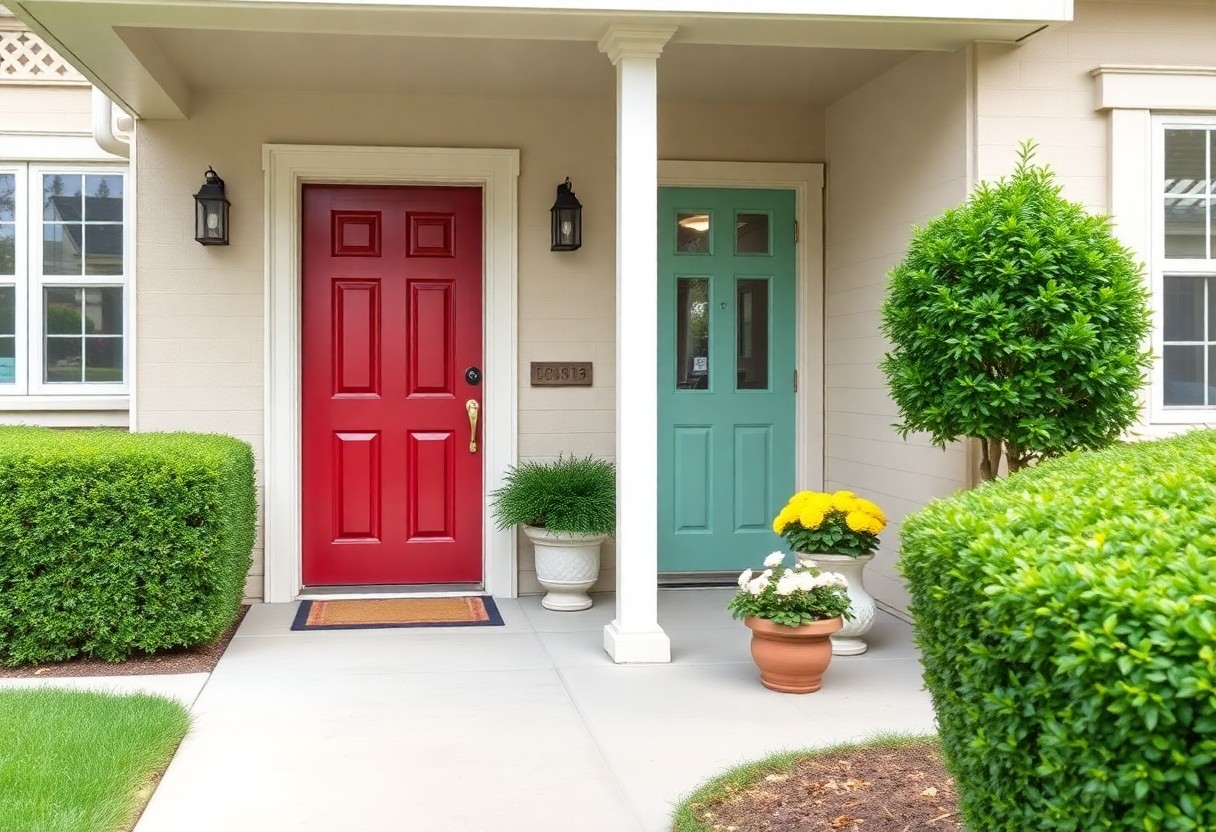
The exterior of your home is the first thing buyers see, so making a strong impression is vital. Boosting curb appeal can include simple actions like power washing the driveway, planting seasonal flowers, or repainting the front door. Consider your landscaping as well; keeping grass trimmed and hedges neat can create an inviting atmosphere. The goal is to draw buyers in and set a positive tone before they even step inside.
Interior Staging Techniques That Sell
Effective interior staging transforms your home into a space where potential buyers can envision their own lives. Start by rearranging existing furniture to create an open and welcoming flow. Remove excessive knick-knacks to reduce distractions and focus on key features. Elements such as crisp linens, light throws, and strategic lighting can create warmth and enhance comfort. To maximize space perception, consider using mirrors to reflect light and expand visual boundaries.
Studies show that staged homes sell 73% faster compared to non-staged ones, making it a worthy investment. Create focal points in each room, like an inviting sofa in the living room or a beautifully set dining table. Incorporating proper scents can also play a role; fresh bread or citrus can trigger positive emotional reactions. These simple yet effective staging techniques can elevate the buyer’s experience, fostering a deeper connection that may lead to a sale.
The Power of Fresh Paint and Repair
Fresh paint transforms your home’s atmosphere and can significantly boost its value. A clean coat on cabinets, walls, and trim creates a polished look that can draw buyers in and encourage them to imagine themselves in your space. Additionally, addressing minor repairs—such as leaky faucets, broken tiles, or squeaky doors—radiates a sense of pride in ownership, making your home more appealing. These small efforts can yield a surprisingly high return on investment when it comes to closing your home sale.
Color Psychology for Selling Success
Color choices play a substantial role in how buyers perceive your property. Soft, neutral tones like beige and light gray provide an inviting backdrop that can make spaces feel larger and brighter. Additionally, these colors allow prospective buyers to envision their own style without the distraction of bold, personal choices. Shades of blue and green can instill a calming effect, while warm colors like yellows and oranges might create feelings of happiness and energy. Choosing the right palette can enhance your home’s appeal and set the mood for showings.
Cost-Effective Repairs That Make a Difference
Focusing on cost-effective repairs can dramatically change a buyer’s impression without breaking the bank. A simple re-grouting in the bathroom or updating light fixtures often proves worthwhile. Even small details like replacing doorknobs or hinges can enhance the overall aesthetic. These upgrades do not require major renovations but instead create a sense of freshness and functionality that resonates with potential buyers.
The most impactful repairs are those that target frequently-used or high-traffic areas. Replacing worn-out carpeting with a budget-friendly laminate flooring, for instance, can provide a modern flair without hefty expenses. Additionally, tending to landscaping, like trimming shrubs and adding mulch, goes a long way in improving curb appeal. Even small touch-ups like filling in nail holes or repainting chipped spots can leave buyers with the impression that your home has been well-cared for, increasing their comfort level in making an offer.
The Secret Weapon: Photography and Marketing
Effective photography and marketing can transform your listing from ordinary to extraordinary, making it a standout in a competitive market. High-quality images grab attention and can significantly influence a buyer’s perception of value. In fact, homes with professional photographs can sell up to 32% faster than those without. Complementing stunning visuals with a robust marketing strategy amplifies your reach and attracts a wider audience.
Capturing the Perfect Listing Photos
Professional photography is a game-changer when it comes to showcasing your home. Utilize natural light to highlight your space, and take wide-angle shots to capture the full extent of each room. Don’t forget to stage key areas like the living room, kitchen, and outdoor spaces, as these engage potential buyers and illustrate the lifestyle they could be enjoying in your home.
Crafting Compelling Descriptions for Your Home
Word choice can make a significant difference in how buyers perceive your home. Begin by focusing on the unique features that set your property apart, whether it’s an updated kitchen, energy-efficient appliances, or a beautifully landscaped yard. Emphasize the lifestyle benefits alongside the physical attributes, using descriptive language that evokes emotion. For example, instead of just listing “three bedrooms,” consider “three spacious bedrooms, perfect for restful nights and family bonding.” These types of details draw buyers in, making them more likely to envision themselves in your space.
Including nearby amenities, such as parks, schools, or shopping areas, can further enhance your home’s appeal. Establishing a connection between your property and the neighborhood not only highlights convenience but can also evoke feelings of community and belonging. A well-crafted description can be the bridge that turns a mere inquiry into a serious offer, so take the time to express what makes your home special.
Open House: Creating an Inviting Atmosphere
Transforming your home into an inviting space during an open house significantly boosts your chances of a successful sale. Start by ensuring consistent lighting, whether through natural daylight or carefully placed lamps, creating warmth and a welcoming energy. Use fresh flowers and subtle scents to appeal to the senses, and declutter surfaces to enhance spaciousness. Play soft background music to provide a relaxed ambiance, making potential buyers feel at ease as they explore your home.
Preparing for Potential Buyers
Anticipating the needs of potential buyers can enhance their experience during your open house. Have informative materials ready, such as feature sheets with details on appliances, renovations, and local amenities. Make space for questions and encourage guests to envision their lives within your home, emphasizing the unique qualities that set your property apart from others. A well-prepared environment fosters a sense of urgency in buyers, making them more likely to take action.
Overcoming Common Open House Pitfalls
The path to a successful open house isn’t without its challenges, and being aware of common pitfalls can set you apart. Overcrowding can overwhelm potential buyers, so stagger showings if necessary. Avoid personal items on display, like family photographs, as they can distract from the home’s features. Lastly, ensure the space is clean and free from strong odors, as these can be off-putting and detract from the overall appeal.
To effectively navigate common open house pitfalls, focus on creating a calm and fresh atmosphere. Limit the number of attendees in any given showing to maintain an intimate experience that allows buyers to ask questions freely. Personal items can create an emotional barrier, hindering buyers’ ability to envision their own lives in your home. A clean environment free of unpleasant smells—such as pets or cooking—will rely on crucial cleanliness. Address these details in advance, and you’ll leave a lasting impression on visitors who can easily envision themselves in your space.
Final Words
On the whole, transforming your home from cluttered to inviting can greatly enhance its curb appeal and attract potential buyers. By decluttering, refreshing your space, and making simple improvements, you can create an environment that showcases your home’s best features. Each small effort you make will contribute to a successful sale, helping you achieve your real estate goals. Embrace the process, enjoy the journey, and soon enough, you’ll be well on your way to selling your home with confidence!
Q: What are the first steps I should take to declutter my home before selling?
A: Start by evaluating each room in your house. Remove personal items, excess furniture, and any decorations that may distract potential buyers. Organize closets and storage spaces to create the impression of ample space. Consider starting with the most visible areas, such as the living room and kitchen, and work your way through each room systematically. Donate or dispose of items you no longer need to simplify the space. This will not only make your home look more appealing but will also help buyers envision themselves living there.
Q: How can I enhance my home’s curb appeal to attract more buyers?
A: Curb appeal is vital in making a good first impression. Start by ensuring your lawn is well-maintained; mow the grass, trim hedges, and consider planting colorful flowers. Clean your windows and front door, and consider a fresh coat of paint to brighten these areas. Adding outdoor lighting can create a warm and inviting atmosphere, especially during evening viewings. Additionally, consider updating your mailbox and house numbers for a modern touch. The overall goal is to create an inviting exterior that encourages buyers to explore your home further.
Q: What should I do to stage my home effectively before showings?
A: Effective staging can make a significant difference in how potential buyers perceive your home. Start by decluttering and cleaning all surfaces. Arrange furniture to create inviting and functional layouts that highlight the best features of each room. Use neutral colors in decor and linens, as this allows buyers to envision their own belongings in the space. Add tasteful accent pieces, such as throw pillows or artwork, to enhance the ambiance without overwhelming the space. Finally, ensure good lighting by opening curtains and turning on lights to create a warm and welcoming environment during showings.
No Comments