


12 Aug Sustainable Home DIY – Eco-Friendly Projects To Enhance Your Living Space
Just by making some simple changes in your home, you can significantly reduce your environmental impact. This guide will provide you with eco-friendly HOME DIY projects that not only enhance your living space but also promote sustainability. You’ll learn how to use recycled materials, incorporate plants for improved air quality, and create energy-efficient solutions that save money. With each project you undertake, you’ll foster a healthier home environment while contributing positively to the planet.
Key Takeaways:
- Implementing eco-friendly DIY projects can significantly reduce your carbon footprint while enhancing the appeal and functionality of your living space.
- Utilizing sustainable materials, such as reclaimed wood, bamboo, or biodegradable products, can create stylish and environmentally responsible home improvements.
- Simple energy-saving upgrades, like adding insulation or installing energy-efficient lighting, can lead to long-term cost savings and promote a healthier home environment.
Reimagining Living Spaces with Green Materials
Transform your home into a sustainable haven by featuring green materials that not only elevate your living space but also minimize your environmental impact. Utilize materials like bamboo, reclaimed wood, and recycled metal to create a cohesive design that reflects your commitment to eco-friendliness. Not only do these materials often yield unique aesthetic qualities, but they also promote a healthier indoor environment by reducing VOC emissions associated with traditional building products.
Selecting Sustainable Building Products
Choose building products that are certified for sustainability, such as those bearing the Forest Stewardship Council (FSC) or Cradle to Cradle labels. Prioritize materials with low embodied energy, which means they require less energy to produce. For flooring, consider options like cork, which is not only renewable but also durable. Paint and finishes should be low-VOC to improve indoor air quality, making your space healthier for you and your family.
Innovative Reuse: What You Can Repurpose
Repurposing is an excellent way to infuse your home with character while reducing waste. Look around your home for items that can serve a new function, like using an old ladder as a bookshelf or transforming wooden pallets into garden furniture. These projects are not only cost-effective but also give your space a unique touch that reflects your creativity and commitment to sustainability.
For innovative reuse, think beyond conventional materials. An old window frame can become a stunning picture display, while wine crates can serve as stylish storage solutions. Upcycling furniture, by simply repainting or reupholstering, can achieve a fresh look without the carbon footprint of buying new. This approach is a celebration of creativity, offering endless possibilities, while also telling a story of sustainability through your choices.
Creating Energy-Efficient Home Solutions
Your home can significantly benefit from simple energy-efficient solutions. Implementing these strategies not only reduces your carbon footprint but also cuts down on utility bills. Start with implementing energy-efficient appliances, using LED lighting, and optimizing your heating and cooling systems. Each small adjustment contributes to a larger impact, ensuring your living space remains comfortable while conserving energy.
Harnessing Solar Power for DIY Projects
Solar power is a powerful, renewable energy source you can incorporate into your home. Create DIY solar-powered devices, such as solar garden lights or solar water heaters, to utilize this abundant resource. Investing in solar panels may involve initial costs, but it pays off through reduced electricity bills, and certain installations may even qualify for tax incentives, making it an appealing sustainable option.
Simple Steps to Improve Home Insulation
Improving your home’s insulation is a straightforward process that can yield significant energy savings. Start by sealing gaps and cracks around windows and doors with caulk or weatherstripping to reduce drafts. Consider adding insulation to your attic if it’s not up to code, as this can cut heating and cooling costs by up to 20%. Additionally, insulated blinds or thermal curtains can enhance window performance and maintain your home’s temperature.
Effective insulation directly contributes to energy conservation by minimizing heat loss during colder months and keeping your space cooler in the summer. Adding materials such as spray foam or fiberglass batts in walls or attics acts as a formidable barrier against temperature fluctuations. This simple maintenance not only increases your overall comfort but can also significantly extend the lifespan of your HVAC system, providing further long-term savings. Taking these steps fosters a sustainable lifestyle while enhancing your living space’s energy efficiency.
Water Conservation Techniques for the Home
Implementing water conservation techniques can dramatically reduce your household’s water consumption and contribute to a more sustainable environment. Small changes can lead to significant savings; for example, fixing leaks, using mulch in your garden to retain moisture, and installing water-efficient appliances can all significantly impact your daily usage. Consider how you can integrate these strategies into your living space for a greener lifestyle.
Setting Up Rainwater Harvesting Systems
By setting up a rainwater harvesting system, you can collect and store rainwater for non-potable uses such as irrigation and toilet flushing. This practice can reduce your reliance on municipal water supplies and cut down on your water bill. Installing a simple system involves placing barrels or tanks under your gutters to catch runoff, ensuring you also have a proper filtration setup to keep the stored water clean and usable.
Choosing Eco-Friendly Plumbing Fixtures
Opting for eco-friendly plumbing fixtures can help you save water without sacrificing performance. Low-flow showers and faucets use significantly less water—around 30-50% less than traditional fixtures—while still providing a satisfying experience. Dual-flush toilets allow you to choose between a full or partial flush, drastically reducing water usage per flush. Investing in Energy Star-rated dishwashers and washing machines can also enhance your sustainability efforts, lowering your water and energy consumption simultaneously.
It’s wise to consider specific brands and models when choosing eco-friendly plumbing fixtures. Look for the WaterSense label, which guarantees that products meet water efficiency and performance criteria set by the Environmental Protection Agency. For example, low-flow showerheads can use less than 2.0 gallons per minute, while traditional models range between 2.5 to 3.5 gpm. By making these eco-conscious choices, you not only conserve water but also contribute to the well-being of the planet while enjoying reduced utility bills.
Indoor Greenery: Enhancing Air Quality and Aesthetics
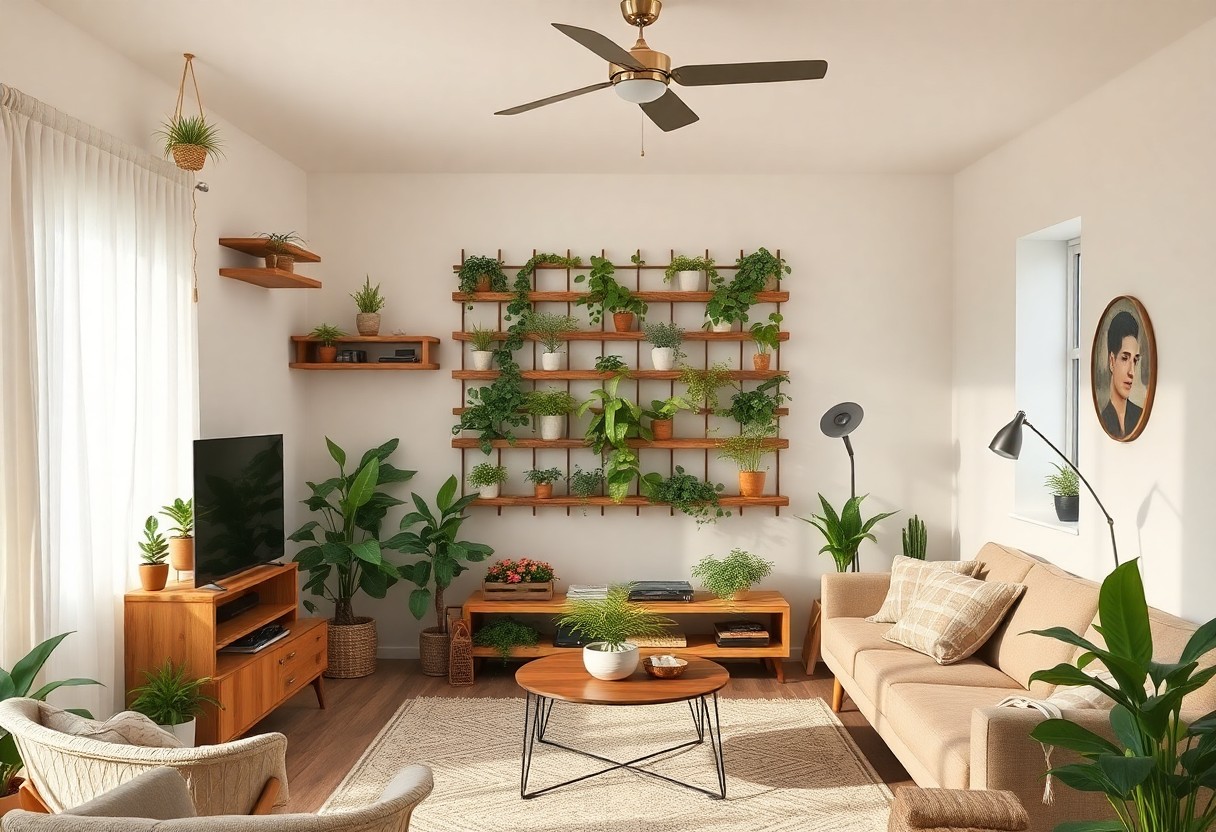
Indoor plants not only beautify your living space but also play a vital role in improving air quality. By introducing greenery into your home, you create a calming atmosphere while simultaneously filtering toxins from the air. Plants such as spider plants and pothos not only thrive indoors but also reduce common pollutants, making your environment healthier for you and your family.
DIY Vertical Gardens: A Sustainable Approach
Creating a DIY vertical garden allows you to maximize limited space while promoting sustainability. By upcycling wooden pallets, old crates, or even fabric pockets, you can craft a stunning living wall. Succulents and herbs are fantastic choices for vertical gardens, requiring minimal maintenance while providing a fresh, vibrant aesthetic that enhances your home’s air quality.
The Best Houseplants for Clean Air
Houseplants like the peace lily, bamboo palm, and snake plant are not only stylish but also effective at purifying indoor air. Studies from NASA reveal that certain plants can absorb formaldehyde, benzene, and other harmful chemicals, contributing significantly to a healthier home environment. Incorporating these plants can significantly enhance the air quality and overall atmosphere in your living space.
The peace lily, for instance, is known for its ability to remove harmful toxins while producing beautiful white blooms, adding elegance to your decor. Snake plants, with their sharp, upright leaves, are hardy and can survive neglect, making them perfect for busy individuals. Bamboo palms not only improve air quality but also act as natural humidifiers, promoting a healthier climate in your home. Opting for these plants not only elevates your interior design but also takes a decisive step toward a healthier indoor ecosystem.
Eco-Friendly Decor and Furnishing
Enhancing your living space with eco-friendly decor and furnishings not only elevates aesthetics but also carries the added benefit of sustainability. Incorporating green elements can transform your home into a haven that reflects your commitment to both style and the environment. Focusing on upcycled items, natural materials, and vintage finds ensures a unique, personal touch while also minimizing waste and reducing your carbon footprint.
Upcycling Old Furniture into Stylish Pieces
Upcycling old furniture allows you to breathe new life into discarded items while adding charm and character to your home. Whether it’s transforming a worn-out chair with a fresh coat of paint or turning an antique dresser into a chic TV stand, each project provides an opportunity to showcase your creativity. This process not only preserves valuable resources but also creates one-of-a-kind pieces that speak to your personal tastes.
Natural Textiles: Choosing Sustainable Fabrics
Opting for natural textiles is a game-changer when it comes to eco-friendly decor. Fabrics such as organic cotton, linen, and hemp are not only biodegradable but often produced using less water and no harmful chemicals. These sustainable choices ensure that your bedding, curtains, and upholstery contribute positively to your home environment while maintaining comfort and style.
By selecting natural textiles, you support eco-conscious farming practices that prioritize soil health and biodiversity. For example, organic cotton uses 91% less water than conventional cotton and avoids toxic pesticides. Additionally, linen, made from flax fibers, has a lower environmental impact due to its minimal fertilizer requirements. Incorporating these fabrics into your space not only enhances your decor but also promotes a healthier environment, both indoors and out.
Summing up
Considering all points, engaging in Sustainable Home DIY projects not only enhances your living space but also promotes environmental consciousness. By implementing eco-friendly practices, you can reduce your carbon footprint and create a healthier home for you and your family. From using sustainable materials to incorporating energy-efficient appliances, these projects offer practical solutions that align with your eco-centric values. As you begin on this journey, you’ll discover that sustainability and personal style can coexist beautifully in your living environment.
Q: What are some simple eco-friendly DIY projects I can start for my home?
A: There are numerous easy projects that can enhance your living space while promoting sustainability. Here are a few ideas:
- Recycled Pallet Furniture: Transform old wooden pallets into unique furniture pieces like coffee tables, benches, or bookshelves.
- Mason Jar Herb Garden: Use mason jars to create a small indoor herb garden. This not only adds greenery but also provides fresh herbs for cooking.
- Upcycled Candle Holders: Use old wine bottles or glass jars to create beautiful candle holders, which add ambiance to your home.
These projects utilize materials you may already have at home, reducing waste and encouraging creativity.
Q: How can I make my existing home more energy-efficient using DIY methods?
A: Improving energy efficiency in your home can be achieved through several DIY methods that are both simple and effective:
- Weather Stripping: Apply weather stripping around doors and windows to seal gaps and prevent drafts, which keeps your home warmer in winter and cooler in summer.
- Insulating Window Treatments: Create your own insulated curtains using thermal lining fabric to reduce heat loss in winter and keep the home cool in summer.
- Solar-Powered Outdoor Lights: Replace traditional outdoor lights with solar-powered options to save on electricity and reduce your carbon footprint.
These enhancements can lead to significant reductions in energy bills while making your home more comfortable.
Q: What materials should I consider when working on eco-friendly DIY projects?
A: Selecting the right materials is fundamental for sustainable DIY projects. Here are some suggestions:
- Reclaimed Wood: Use wood from old furniture or construction sites to create new furniture, avoiding new lumber and reducing deforestation.
- Non-Toxic Paints and Finishes: Choose paints and finishes that are low in volatile organic compounds (VOCs) to ensure better air quality in your home.
- Natural Fabrics: Opt for organic cotton, linen, or hemp for any textiles and upholstery projects to avoid harmful chemicals often found in conventional fabrics.
By using sustainable materials, you not only help the environment but also create a healthier living space for yourself and your family.
No Comments